

The Economics of Waste
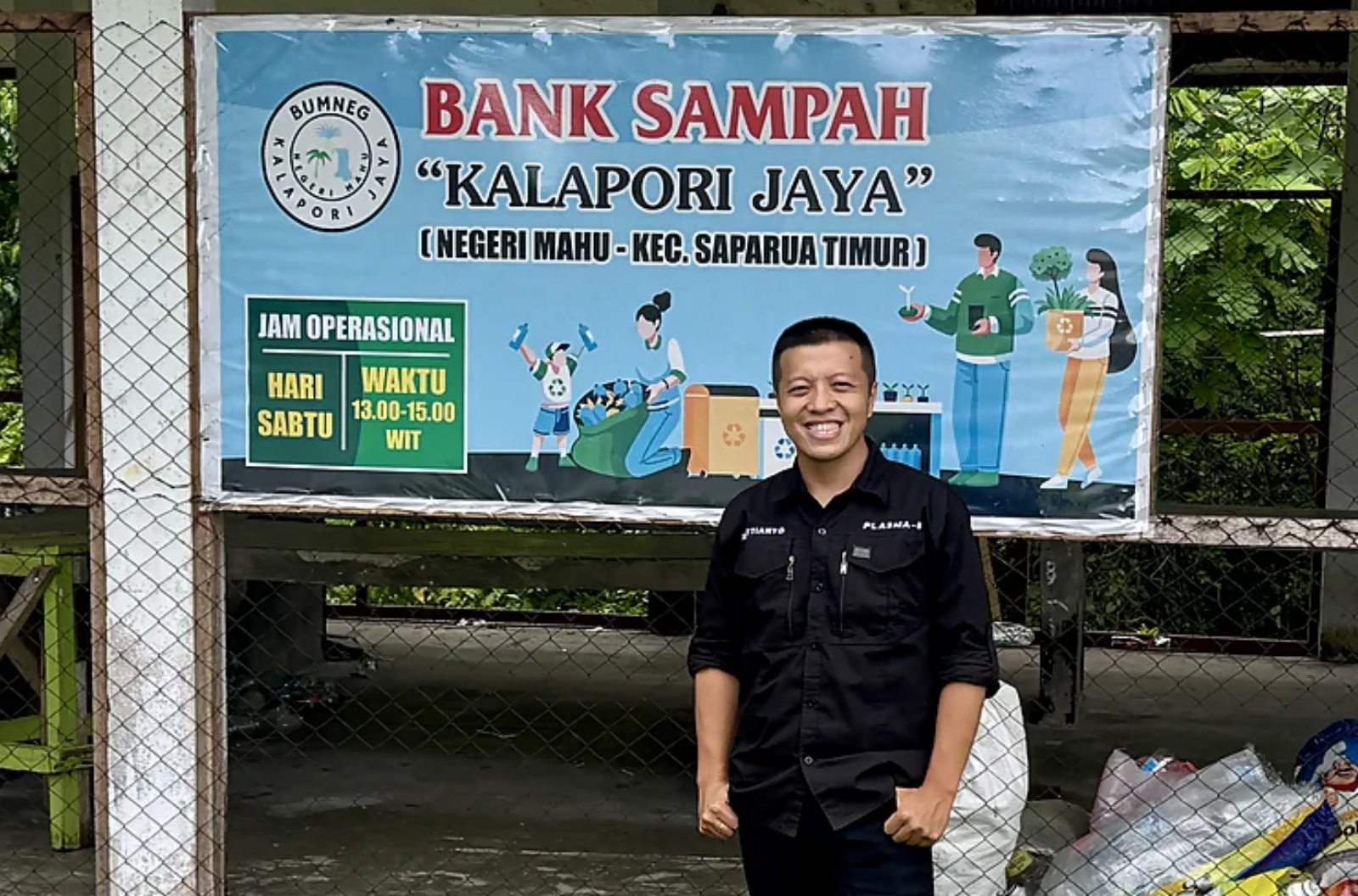
Plastic waste in Eastern Indonesia
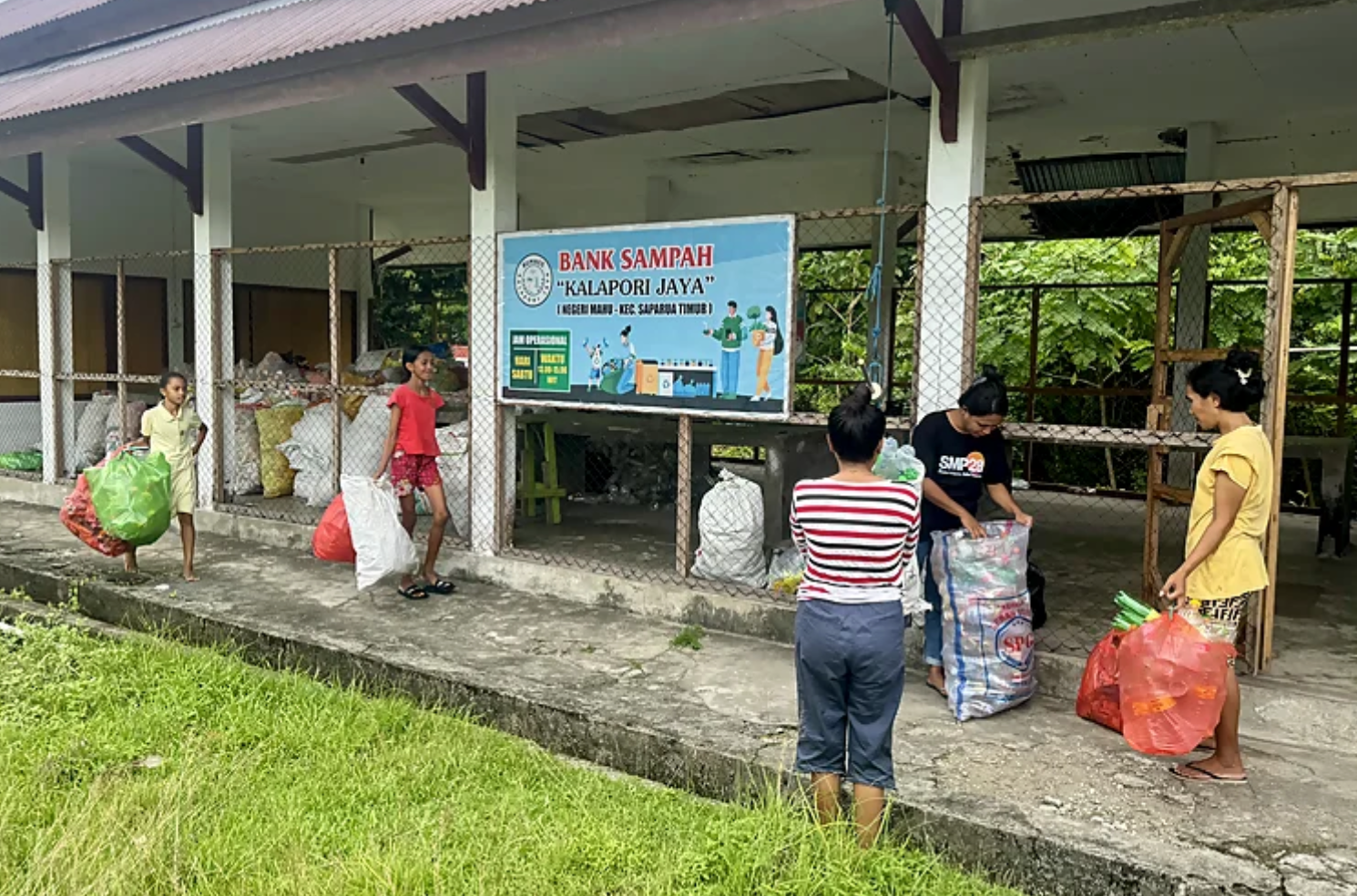
In April of this year, the Raja of the village of Mahu, Ine Pattiwael, opened the first Bank Sampah on the island of Saparua. At a moment like that, people are wary. Will she succeed in motivating her community to hand in their plastic waste for a low price? What are the chances her initiative will succeed? Is it economically viable? Is it sustainable? The economics of waste differ per province in Indonesia. The feasibility of a sustainable waste management system is mainly driven by transport costs to Surabaya. Surabaya is the nearest location where plastic waste is recycled. Transporting waste is the bottleneck for success.
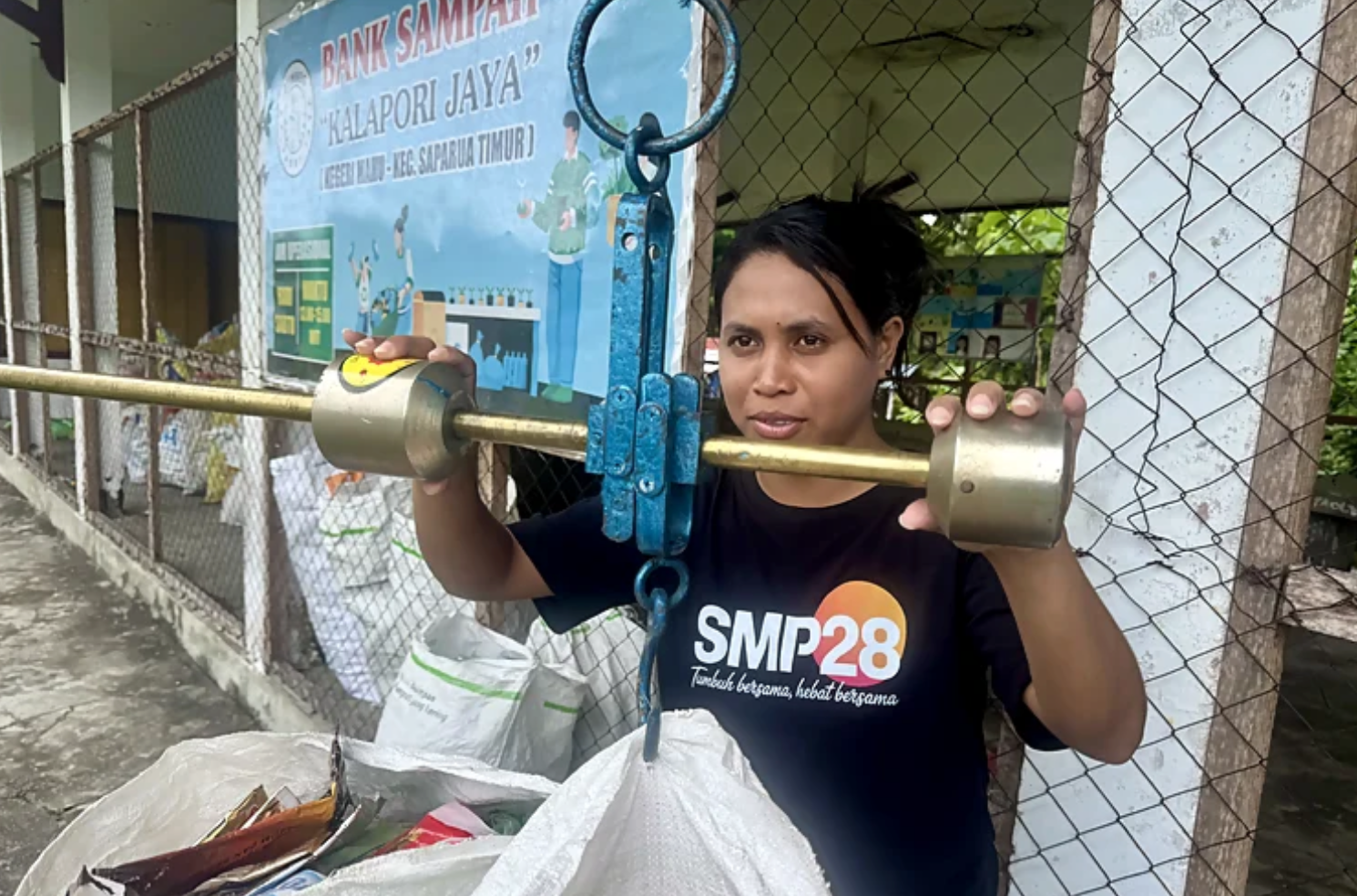
Our challenge
The first challenge is motivating residents to keep their living environment clean and healthy—even if it doesn’t earn them money. People in the Moluccas assume handing in waste brings in money. That belief is shaped by information they receive from Java and Bali. In the West, we know differently: it costs every polluter money to get rid of waste. In Indonesia, it will eventually be no different. The Bintari Foundation (Kris is the local project leader on Saparua and Banda) has a way of working grounded in realistic assumptions. They’ve been building it systematically and work well together with Happy Green Islands. A real asset!
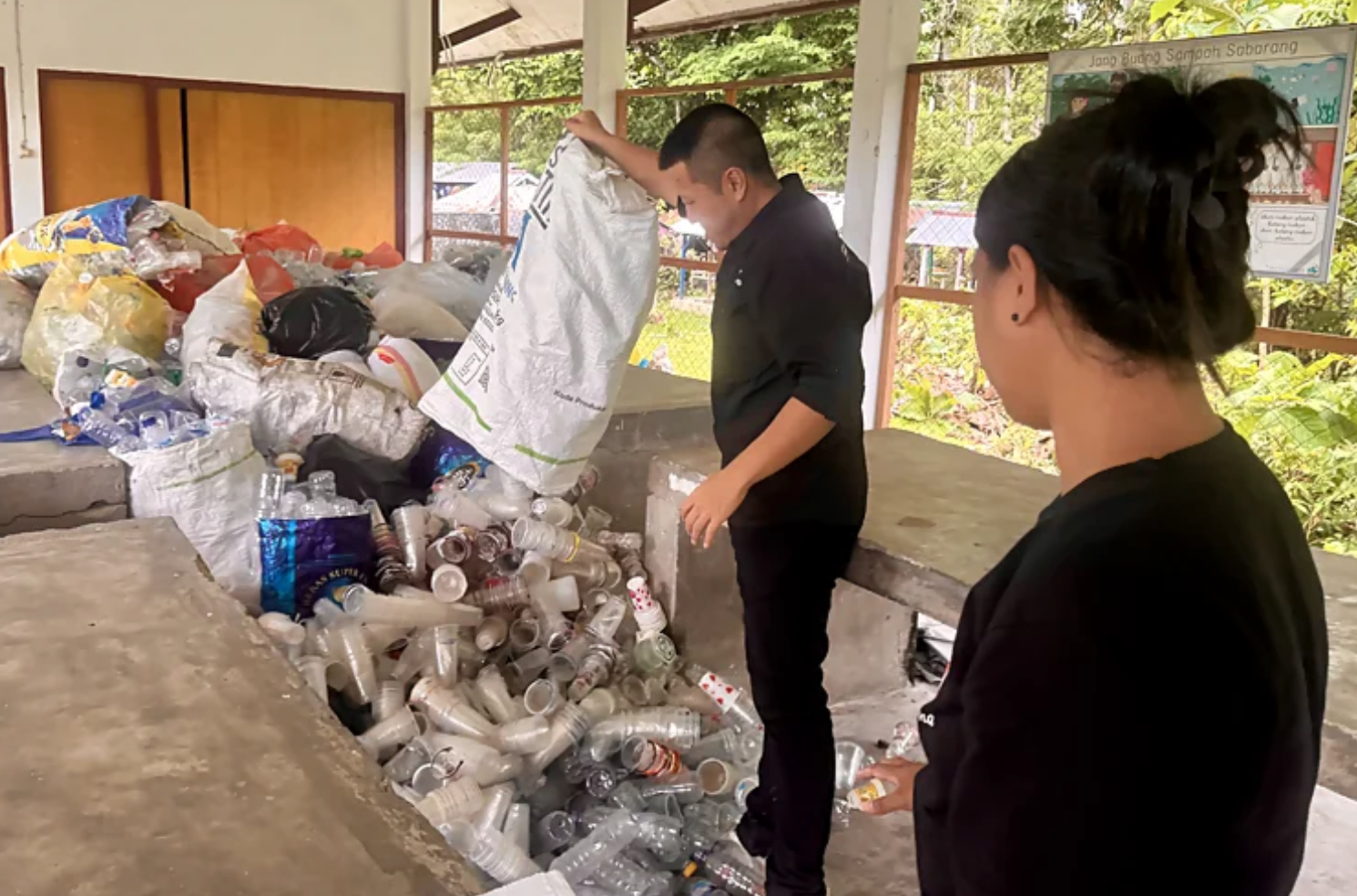
Hats off to the Mahu village leadership!
You can absolutely call someone like Ine Pattiwael, the Raja of the village of Mahu, a trendsetter. As the first leader, she’s sticking her neck out by using the village budget. She opened the first waste collection point on Saparua. She knows very well that it’s a necessary first step toward a sustainable waste management system—one that doesn’t make money for her residents, but that in the long run will have to be paid for by the polluter. It’s like dancing on a volcano. RESPECT!
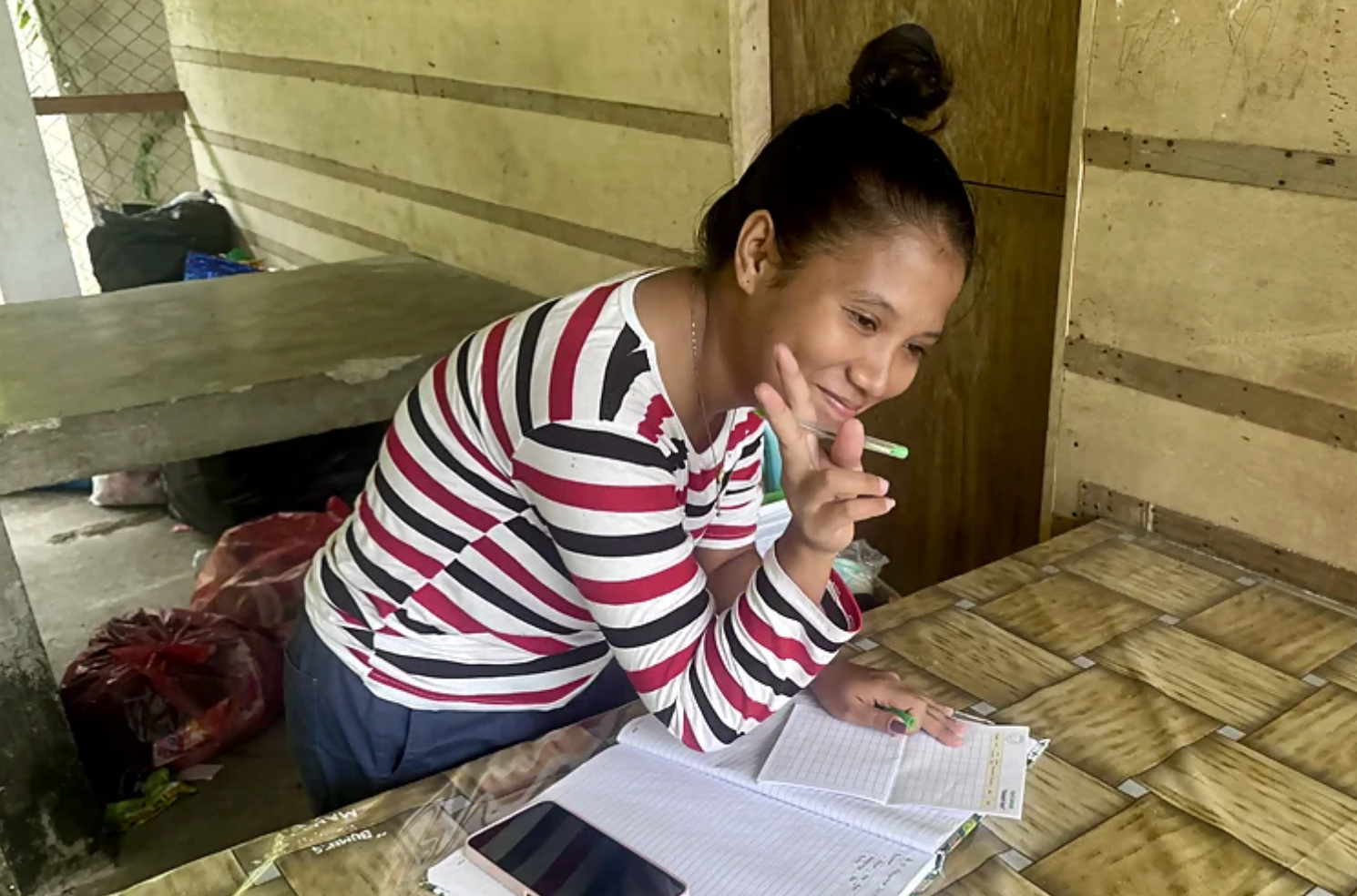
Mahu’s Bank Sampah has now been running for about nine months. The village has around 100 households. Small as it is, there are residents who volunteer to make it a success! AMAZING! That initiative deserves support—and we’re going to organize that from Haria! Read the info on our social media pages!
Every Saturday
Every Saturday the Bank Sampah is open. By our estimate, about 250 kilos have been handed in so far. That 250 kilos of plastic waste will no longer end up in the sea and will no longer be burned! Happy Green Islands now has its own Bank Sampah booklet. We bring the collected waste from Haria to Mahu to help make the project there an even bigger success. ALE RASA BETA RASA!
Action in Haria
This week, Happy Green Islands started an action to get the residents of Haria moving. This Christmas season, many people from the diaspora are expected back in the village. Together with a number of green friends, we’re trying to welcome them into a village that is free of plastic waste. In the meantime, many houses have been painted, the roads have been newly asphalted, new fences have been built along the roads—and painted too. Many little lights along the roads, and beautiful Christmas trees and nativity scenes have been built. Check the social media. It’s truly unbelievable how beautiful the village looks right now. But… still no clean-up actions. Still no clean village. That’s what we’re focusing on now! Follow our updates on social media and help out!
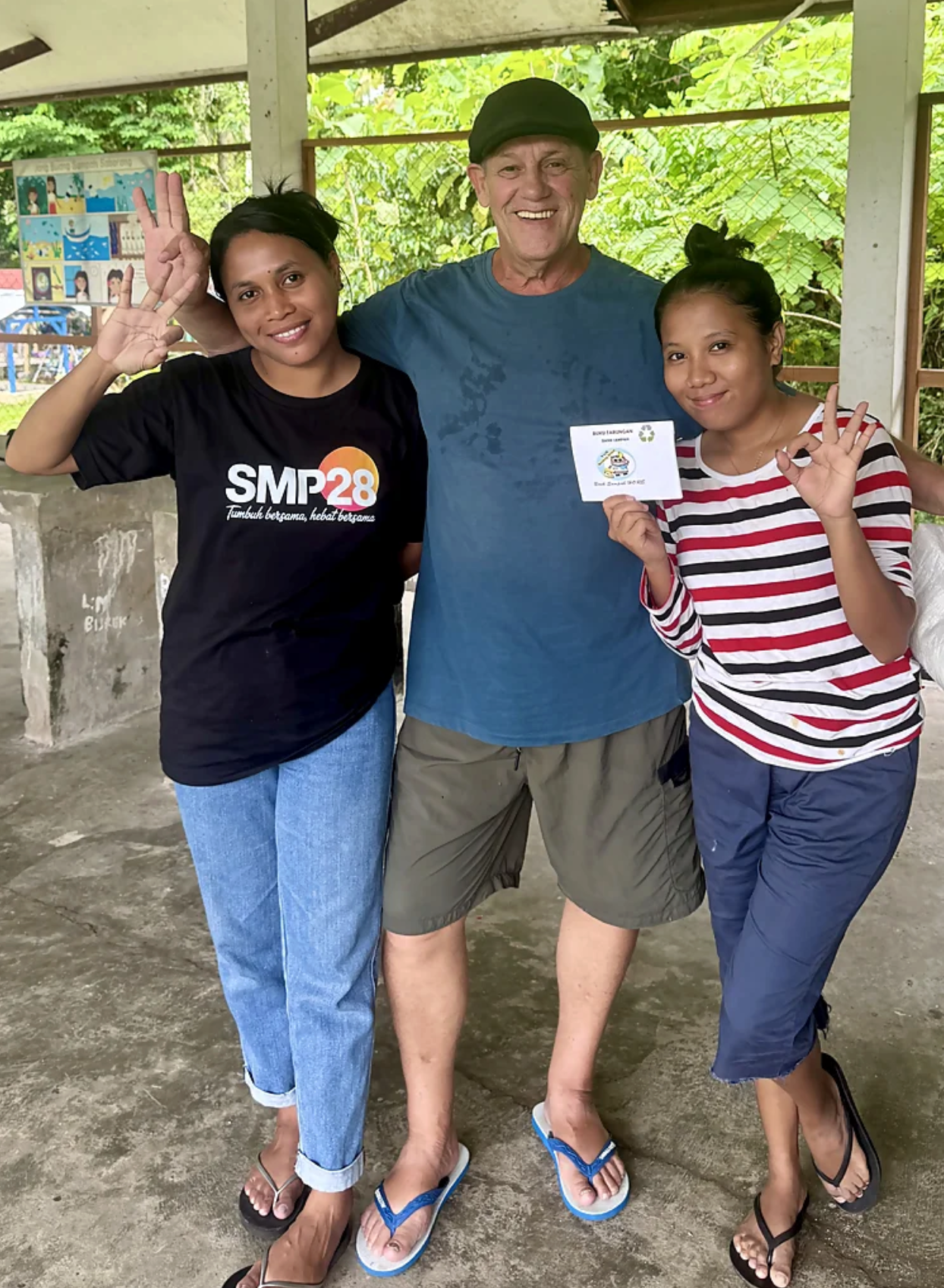
Is this something for you too—if you’re on Saparua anyway for a holiday or family visit—to help make living conditions here a little better?
You can sign up here!
